SYNCFUSION A2UI

Build agent-driven interfaces with Syncfusion A2UI

Turn structured AI responses into interactive application UI with Syncfusion components, and design those interfaces visually with A2UI Composer.

a2ui-banner
WHAT SYNCFUSION PROVIDES FOR A2UI

Two focused ways to build with A2UI

Use the runtime components when you are building the application experience. Use Composer when you want to design, preview, and refine the interface definition first.

UI

Syncfusion A2UI Components

Render structured A2UI definitions as interactive Syncfusion UI inside your application.

Syncfusion A2UI Composer

Design and refine A2UI surfaces visually before connecting them to your application workflow.

How the pieces work together

Design the surface. Render it in the application.

Composer and the runtime solve different parts of the same A2UI workflow.

Design time

Optional authoring path

A2UI Composer

Preview and refine

A2UI Composer

Preview and refine

A2UI JSON

Structured definition

Handoff: use the composed definition in the app directly or bind it to the agent as the expected UI structure.

Runtime

Application experience

User request

Intent or action

AI agent / backend

Emits A2UI messages

Syncfusion renderer

Maps the surface

Interactive UI

Rendered in the app

How the pieces work together

Design the surface. Render it in the application.

Composer and the runtime solve different parts of the same A2UI workflow.

Option2: Two panel with a JSON bridge

Design time

Describe the UI

Preview and refine

Export definition

{ }

A2UI JSON

Use in app or bind to agent

Runtime

User request

Agent emits A2UI

Syncfusion renders UI

Use familiar application components in agent-driven experiences

A2UI surfaces can be composed from supported Syncfusion controls across common enterprise interface needs.

D

Data Grid

Tree Grid

V

Visualization

Charts · Maps

I

Inputs

TextBox · Dropdown

S

Scheduling

Calendar · Scheduler

N

Navigation

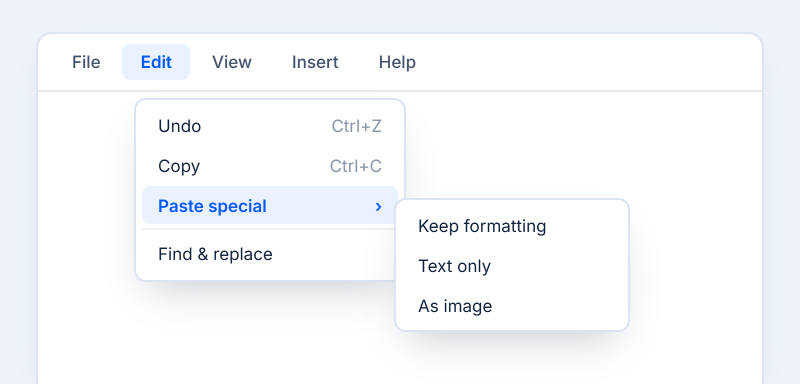
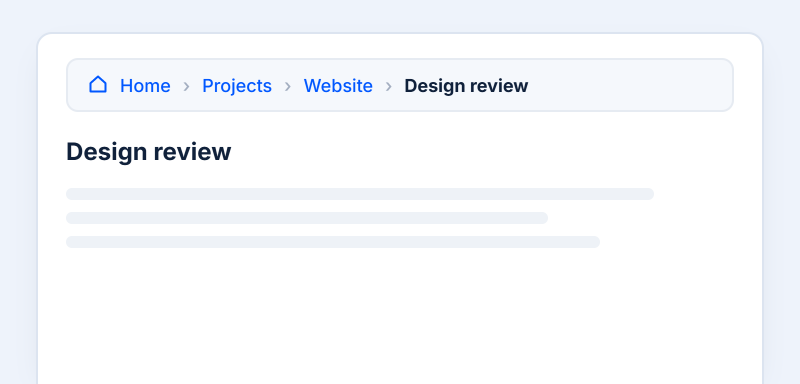
Menu · Breadcrumb

L

Layout

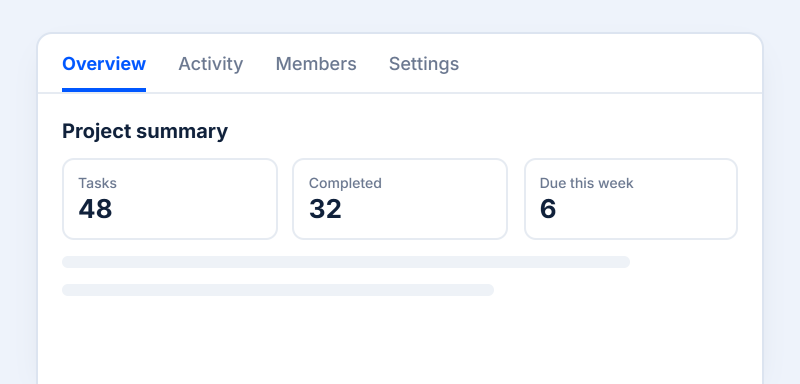
Tabs · Cards

A2UI COMPONENTS

Use familiar application components in agent-driven experiences

A2UI surfaces can be composed from supported Syncfusion controls across common enterprise interface needs.

Data & Visualization Components
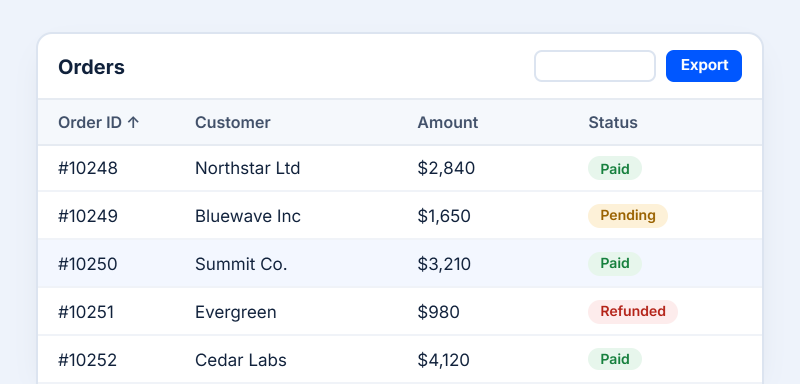
data-grid

Data Grid

Display and organize records in rows and columns.

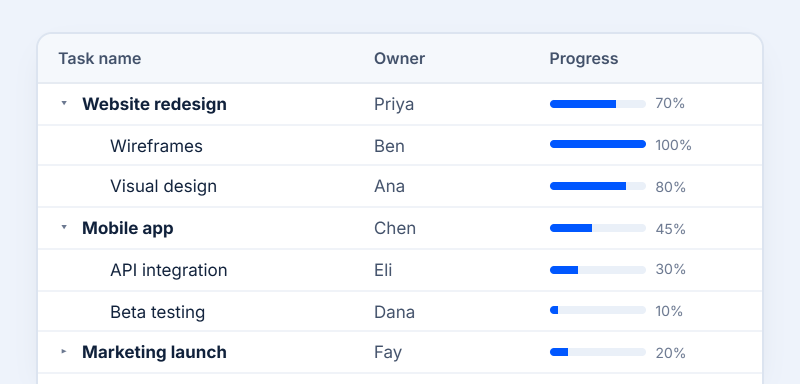
tree-grid

Tree Grid

Explore records with parent-child relationships.

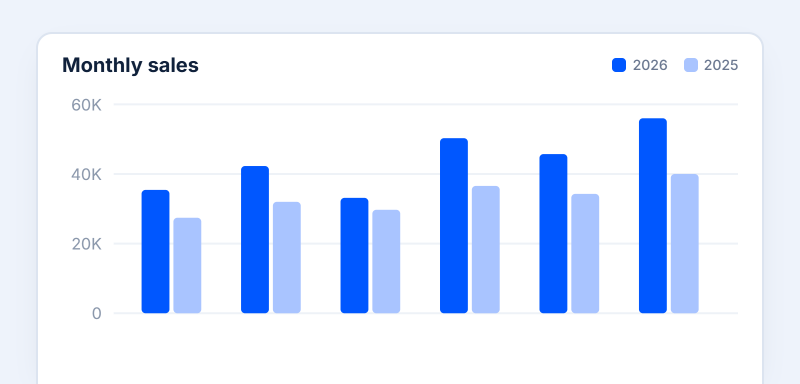
charts

Chart

Show patterns and comparisons in your data.

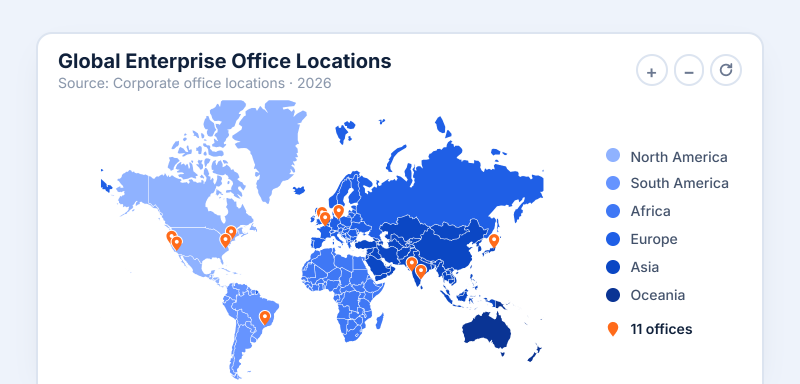
maps

Map

Present data in a map-based geographic view.

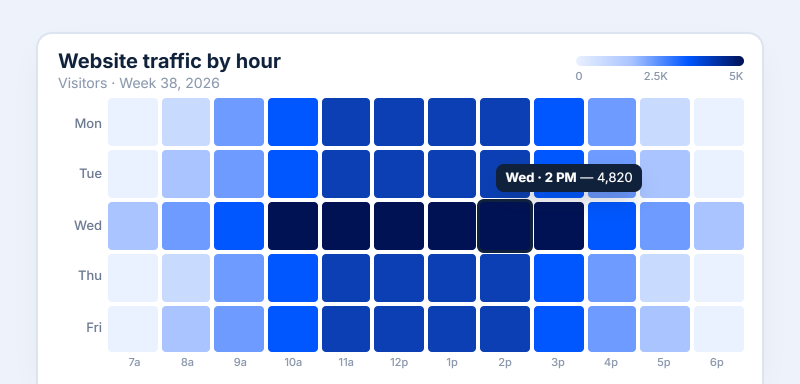
heat-map

HeatMap

Color-coded matrix to reveal data patterns.

Input Components
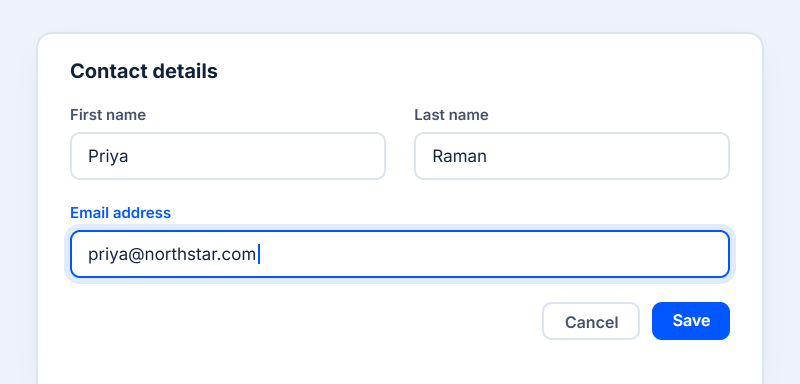
textbox

TextBox

Add a heading, label, or body text.

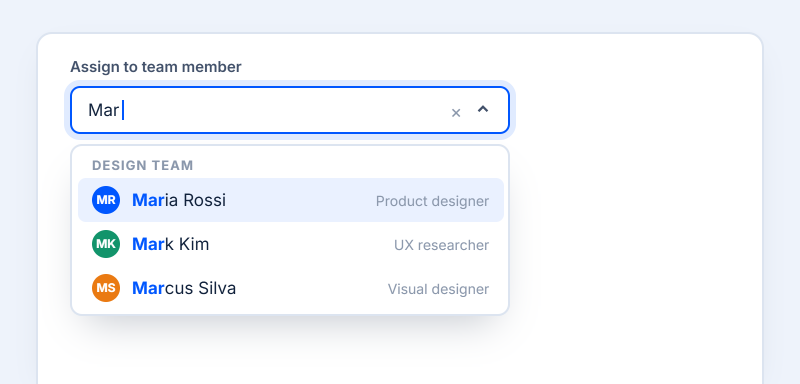
combo-box

ComboBox

Typeable, filterable single-select with allowCustom, virtual scrolling, and templates.

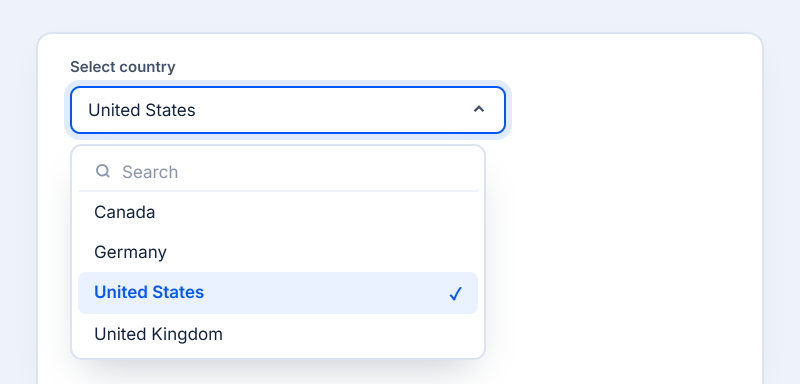
dropdown-list

Dropdown

Let people choose from a list of options.

Scheduling Components
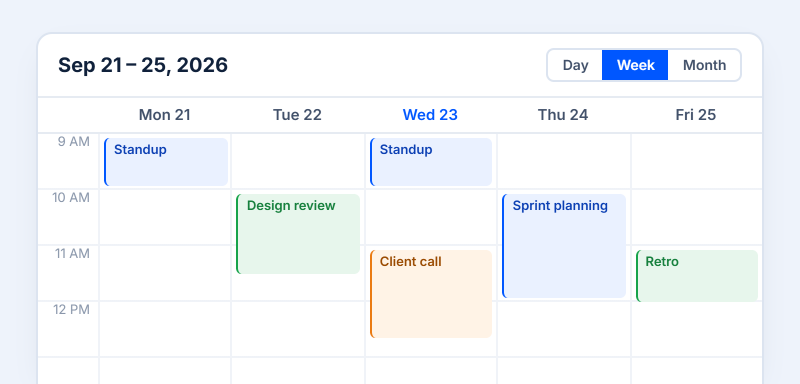
scheduler

Scheduler

Display appointments across calendar views.

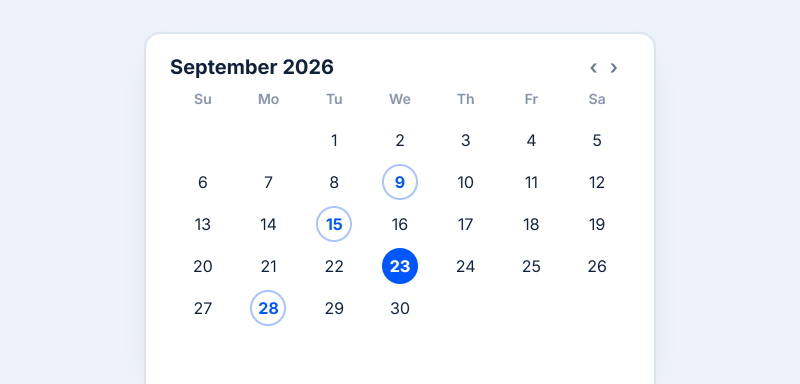
calendar

Calendar

Browse a calendar and choose a date.

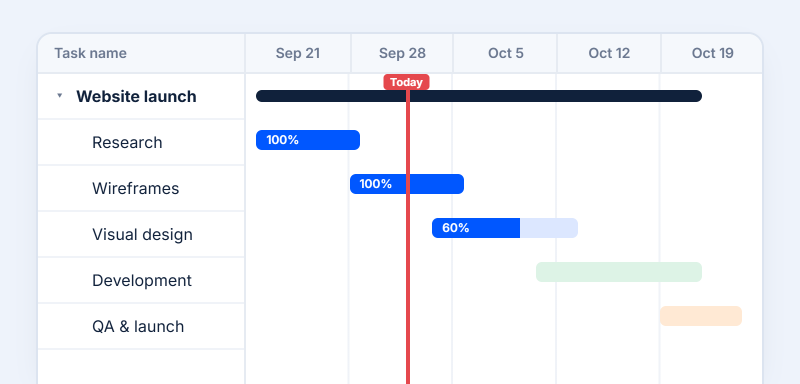
gantt-chart

Gantt Chart

Project scheduling with tasks, dependencies, timelines, and resources.

Navigation Components
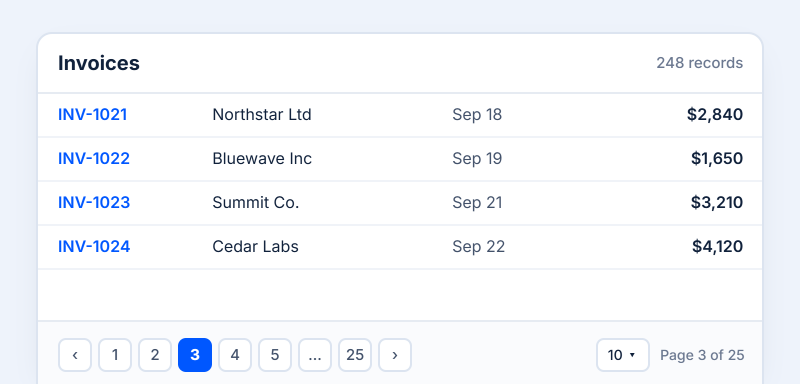
pager

Pager

A standalone pager with first/last/next/previous buttons and a page-size selector.

menus

Menu

Help people move between app sections.

breadcrumb

Breadcrumb

Show where a page sits in the navigation.

Layout Components
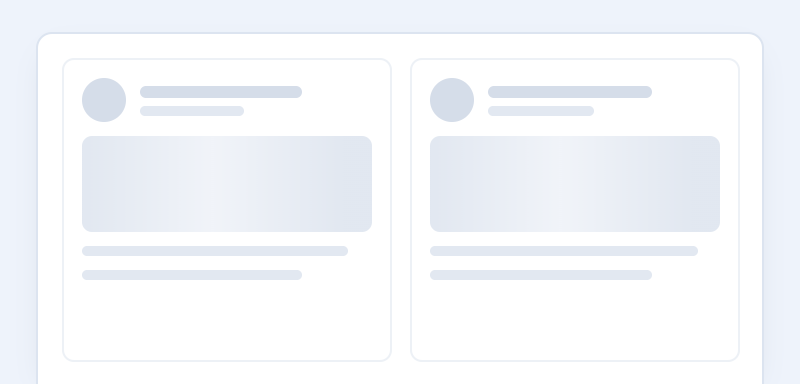
skeleton

Skeleton

Placeholder with shimmer while content loads.

tabs

Tabs

Switch between related views in one place.

cards

Card

Group related information in a single container.

Document Solutions
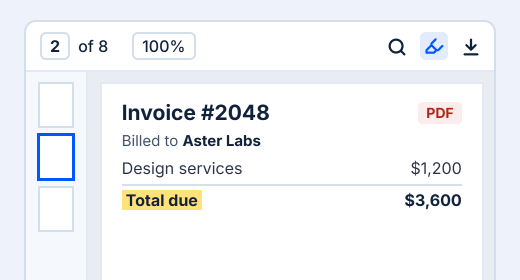
pdf-viewer

PDF Viewer

View, annotate, and fill forms in PDF files. 

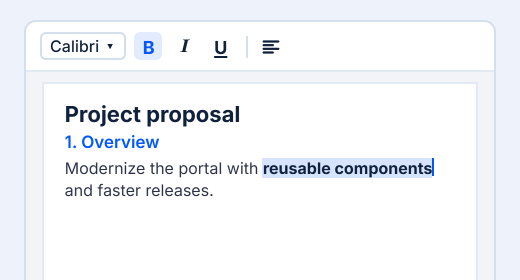
DOCX Editor

Create, edit, and format Word documents.

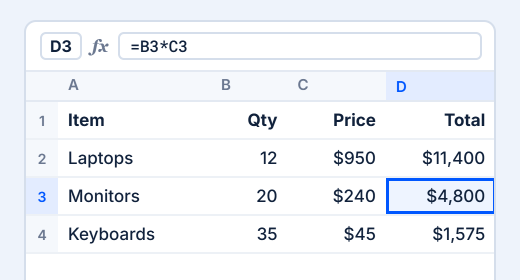
Spreadsheet Editor

Excel-like grid with formulas, sheets, and file support.

See A2UI turn into real application UI

An agent can return a structured component definition, and the Syncfusion renderer maps it to the corresponding interactive component in the application.

				
					{
  "id": "orders-grid",
  "component": "SyncfusionDataGrid",
  "dataSource": { "path": "/orders" },
  "allowPaging": true,
  "allowSorting": true,
  "columns": [
    { "field": "id", "headerText": "Order ID" },
    { "field": "customer", "headerText": "Customer" },
    { "field": "amount", "headerText": "Amount" }
  ]
}


Rendered result

Order ID
Customer
Amount

1001

Aster Labs

$1,240

1002

Bluewater

$860

1003

Maple Works

$2,150

1004

Northline

$620​‌

A2UI COMPOSER

Create A2UI interfaces from prompts and templates

Describe the interface you need, preview it with Syncfusion components, refine the experience, and generate a ready-to-use A2UI definition for your application.

start-with-a-request

Describe

Start with a prompt or starter template.

review-the-preview

Preview

See it rendered with Syncfusion components.

refine-the-design

Refine

Adjust the layout, components, and data.

copy-the-definition

Copy

Take the generated A2UI definition into your application.
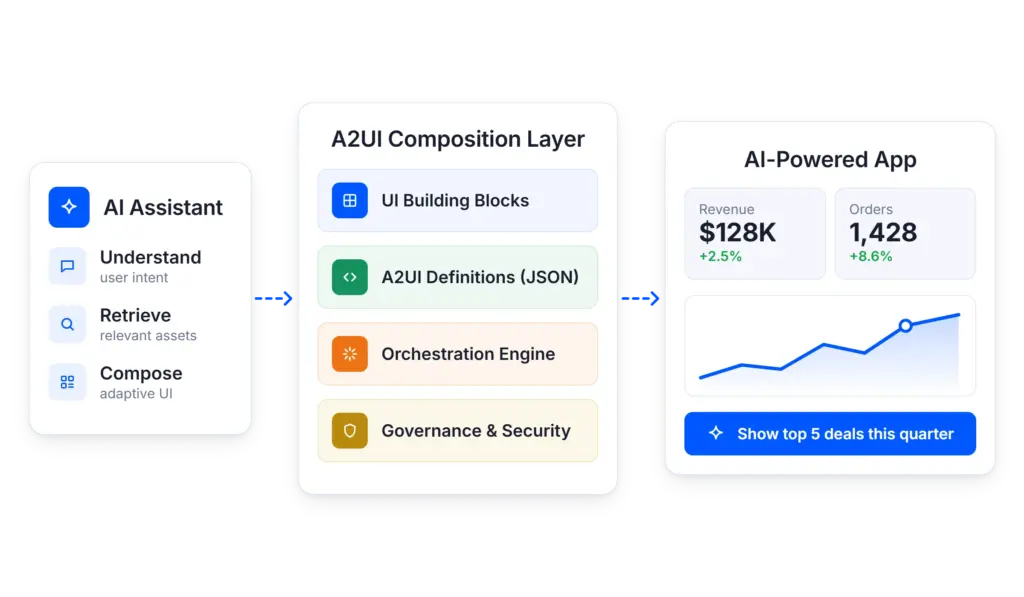
WHY SYNCFUSION A2UI

Structured, reusable, and easier to govern

Use trusted UI building blocks and explicit interface definitions instead of relying on an agent to invent every screen from scratch.

copy

Structured

A2UI definitions make the interface explicit and inspectable, giving teams a clearer contract between the agent and the application.

easier-iteration

Reusable

Use the same supported components and interface patterns across multiple agent workflows instead of rebuilding each experience.

faster-experience-creation

Consistent

Render agent-driven interfaces with the same Syncfusion building blocks used elsewhere in the application.

Design with Composer. Render with Syncfusion A2UI

Use the tools independently or together to build structured, interactive agent-driven application experiences.